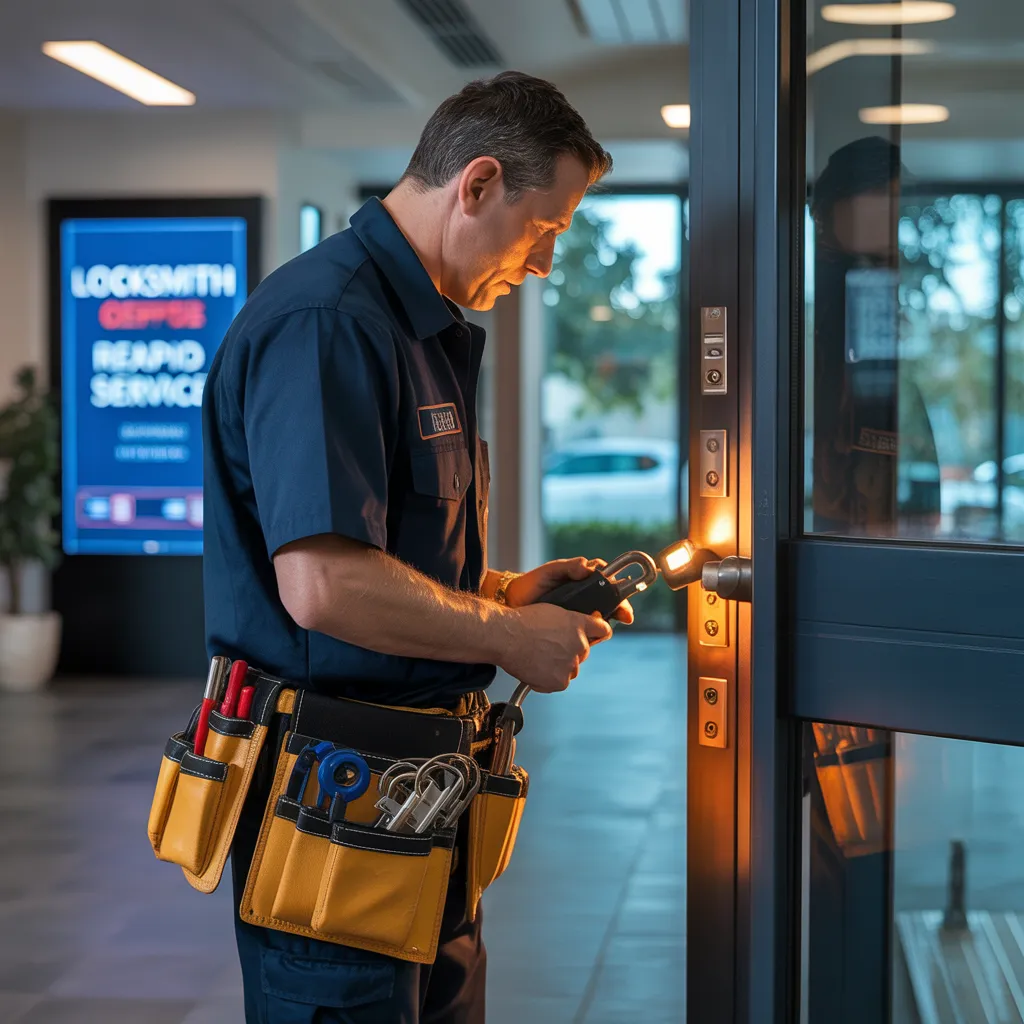
Professional San Antonio Top Commercial Locksmith with Quality Workmanship
Professional Roofer Providing Superior Roof Solutions
Retaining a professional roofer is a strategic decision for householders seeking quality roofing solutions. These authorities not only assure compliance with applicable construction codes but also supply access to premium-grade materials. Their talent to pinpoint and tackle potential issues early can save significant time and money. Understanding the assorted roof selections available and the advantages can strengthen this process. What factors should property owners reflect on when selecting the appropriate specialist for their specifications?
Reasons to Engage a Qualified Roofer
When contemplating a roofing project, retaining a certified roofing expert guarantees both quality and protection. Certified roof specialists possess the necessary preparation and competency to tackle multiple roof difficulties effectively. Their experience allows them to recognize latent problems before they escalate, providing sustained durability. In addition, they are knowledgeable in local building codes and regulations, which minimizes the risk of legal complications.
Furthermore, expert roof technicians have availability of premium-grade supplies that may not be obtainable by the typical property owner, improving the overall effectiveness of the roofing system. They also provide warranties that can deliver confidence and assurance, safeguarding the financial commitment made in the roof work. Significantly, protection is critical; skilled roof contractors are equipped with the proper equipment and safety gear to complete their labor without risking injury. To summarize, hiring a professional roofer is a wise choice for obtaining a dependable and safe roofing solution.
A Reference for Preferred Roofing Materials and Their Benefits
An array of roof solutions exist, each offering varied positives fitting various needs and preferences. Asphalt shingles are some of the most preferred due to their budget-friendly pricing, ease of installation, and variety of colors. Metal roofing, known for its durability and protection against extreme weather, also deflects heat, rendering it efficient. Slate tiles provide a timeless aesthetic and exceptional longevity, while clay tiles furnish excellent insulation and can withstand harsh climates.
For individuals looking for environmentally conscious options, rubber roof materials is gaining traction; it replicates the appearance of more expensive options and is made from reclaimed materials. Wooden shakes offer a organic, traditional appearance but demand additional upkeep. Ultimately, artificial roof options merge the best features of conventional materials, providing flexibility and durability. Each material presents unique benefits, making it essential for homeowners to assess their preferences and speak with experts when selecting the optimal roof option.
Common Roofing Challenges and Methods Specialists Employ to Fix Them
Standard roofing issues, such as moisture penetration and water damage, can lead to significant structural problems if not addressed promptly. Additionally, missing or damaged shingles impair the roof's solidity and render the home to further risks. Professionals employ various techniques to identify and resolve these issues, securing long-lasting protection and tranquility for homeowners.
Leaks and Water Damage
Leaks and water damage cause considerable hurdles for homeowners, frequently resulting in high-cost fixes and foundational problems. These concerns usually originate from a broad spectrum of causes, including degraded substances, incorrect assembly, or even harsh climate conditions. Water penetration can undermine insulation, enable mold development, and reduce structural soundness. Expert roofers apply cutting-edge techniques to discover and remedy leaks with efficiency. They execute in-depth assessments to identify problem areas, deploying tools such as moisture meters and infrared cameras. Once detected, they deploy specialized treatments, which may include sealing, flashing replacement, or, in severe cases, partial roof replacement. By handling water intrusion in a timely manner, professionals support homeowners lessen deterioration, guaranteeing lasting assurance and peace of mind.
Absent or Damaged Shingles
Roofing challenges often present through missing or damaged shingles, which can weaken a home's defensive layer. These defects leave vulnerable the foundational framework to environmental factors, potentially leading material to leaks and additional damage. Professionals typically conduct comprehensive assessments to pinpoint the severity of the problem. They might suggest substituting single shingles or whole areas, depending on the severity. Using superior-grade materials, experienced roofers guarantee correct placement to avoid subsequent problems. Additionally, they assess the roof's general state to address any foundational issues, such as poor ventilation or structural vulnerabilities. Consistent upkeep and timely repairs are essential in preserving a roof's integrity, ultimately safeguarding the home against water intrusion and other natural threats.
Determining the Best Roof Choice for Your Home
When deciding on the best roofing solution for a home, it is important to evaluate your specific roofing needs first. Understanding the range of roofing materials available and their respective costs can significantly influence the decision-making process. Budget considerations also serve an important function in guaranteeing that the chosen solution meets both practical and visual requirements.
Determining Your Roof Necessities
What is the best way to choose the most appropriate roofing choice for your home? Assessing roofing requirements starts by looking at the home’s architectural style and the surrounding climate. Homeowners should take into account criteria like energy efficiency, durability, and maintenance needs. A careful inspection of the existing roof can identify potential problems that could affect the choice of materials. Furthermore, budget constraints play a key role; understanding the long-term expenses versus the initial investment is critical. Consulting with a professional roofer can provide key recommendations and suggestions tailored to individual requirements. Ultimately, the choice should weigh design tastes with practical requirements, making certain the selected roofing choice enhances the home’s value while offering extended protection.
Material Kinds Outline
Pinpointing the ideal roofing materials constitutes a important step of the roof installation undertaking. Homeowners ought to analyze diverse selections, all possessing unique advantages and disadvantages. Asphalt shingles enjoy popularity for their reasonable cost and straightforward placement, meanwhile metal roofing gives robustness and thermal efficiency. Clay and concrete tiles render a refined, sturdy solution, especially fitting for warm climates. Wood shakes display a natural allure yet require extra upkeep. Synthetic materials, such as rubber or plastic, copy age-old styles while supplying superior durability. Plus, sustainability factors might motivate certain homeowners to pursue green alternatives such as green roofs or reused content. Fundamentally, choosing the finest roofing material rests upon the home's appearance, climate, and individual taste.
Budget Factors Explained
Budgeting for a roofing project usually requires careful evaluation of several elements to make certain homeowners choose the most appropriate option for their needs. First, material selection has a strong influence on both upfront expenses and long-term durability. Asphalt shingles may be budget-friendly, while metal or tile options might offer increased lifespan but at a premium cost. Additionally, labor costs can vary based on the roofing contractor’s expertise and the project’s complexity. Homeowners should also consider potential hidden expenses, such as the need for structural repairs or permits. Finally, weighing long-term savings through energy efficiency and warranties will help in arriving at a sound conclusion that balances upfront investment with future benefits.
What to Anticipate From the Roofing Process
Grasping how the roof installation process can greatly enhance a property owner's perspective during a roof restoration project. In the beginning, property owners should anticipate a comprehensive review of the existing roof to pinpoint its condition and the essential repairs or new work. Following the assessment, a complete proposal will enumerate the work parameters, materials, and timeline.
When the project commences, homeowners can anticipate an organized arrangement with protective measures in place to preserve their property. The roofing crew will dispose of old materials, review the underlying structure, and install new roofing systems according to industry standards. Regular communication is paramount, as homeowners should expect progress reports on work progress and any unforeseen issues.
In the final stage, the job concludes with a thorough inspection to ensure quality and compliance with specifications. Residents should also get care advice to prolong the durability of their new roof, reinforcing the importance of understanding the entire roof process.
Why Regular Roof Inspections Are Important
Although many homeowners may disregard roof care, regular inspections are essential for preserving the integrity and longevity of a roof. These assessments help pinpoint small problems before they transform into expensive maintenance. By detecting problems such as leaks, loose shingles, or moss growth promptly, homeowners can save both time and money.
In addition, consistent check-ups guarantee that the roof complies with local building codes and regulations, which can avert future complications during property transactions. Seasonal changes can take a toll on roofing materials, making it critical to evaluate wear and tear.
Moreover, a well-maintained roof enhances the overall visual attractiveness of a home and contributes to its market value. Participating in routine inspections not only maintains the structural soundness of the property but also provides peace of mind for homeowners. Ultimately, prioritizing roof check-ups is a preventative strategy to home maintenance that yields benefits in the long run.
Locating and Hiring a Professional Roofer in Your Area
Upon appreciating the value of regular roof check-ups, homeowners frequently pursue skilled professionals for maintenance and repairs. Identifying a qualified roofer in their area can prove challenging; however, a few vital tips can ease the process.
Initially, homeowners should request recommendations from buddies, family members, or neighbors who have recently had roof installation done. Online reviews and ratings on websites like Google and Yelp can also furnish useful information into a roofer's reputation.
After a group of potential applicants is assembled, property owners should verify credentials, containing licenses and protection. Securing multiple quotes allows them to compare prices and services offered.
Moreover, asking about warranties and guarantees can help guarantee long-lasting results. By following these steps, property owners can securely hire a skilled roofing contractor who satisfies their particular requirements, ensuring their roofs remain in optimal shape for years to come.
Regularly Asked Questions
What Qualifications Should I Look for in a Expert Roofer?
When looking for a professional roofer, one should prioritize credentials such as appropriate permits, adequate insurance, substantial expertise, favorable client feedback, and compliance with industry standards. These factors guarantee dependable craftsmanship and safeguard from potential liabilities.
What Period Does a Average Roofing Project Require to Complete?
A standard roofing project typically takes 1-3 days, based on the size and complexity of the roof, weather conditions, and the crew's efficiency. More expansive or more elaborate roofs may need extended timeframes.
Do Roofing Warranties Transfer if I Sell My Home?
Roofing guarantees are commonly transferable, but different requirements take effect. Property owners should look at the guarantee terms for information on transferability, as some manufacturers insist on formal notice and may have transfer deadlines for the transferring procedure.
What should I Do if I Notice Roof Harm After a Storm?
If roof damage is suspected after a storm, the homeowner should survey the roof for observable defects, log any damage, and consult a professional for an inspection to determine necessary repairs and prevent further difficulties.
How Do I Keep My Roof in Optimal State Between Professional Inspections?
Regularly inspect the roof for debris, check for worn shingles, and clean gutters to avoid water buildup. Tackle small issues without delay and stay alert for signs of leaks or wear between professional inspections.